
The Role of Food Distribution in Building Stronger Communities


The Importance of Food Distribution
Food distribution plays a crucial role in ensuring that communities have access to the necessary resources for sustenance and development. By distributing food efficiently, we can address issues of food insecurity and nutrition, which are fundamental to building stronger communities.
Efficient food distribution networks help bridge the gap between food production and consumption. They ensure that food reaches even the most remote areas, providing a lifeline for those who might otherwise struggle to obtain essential nutrients. This connectivity not only supports individual health but also fosters community resilience.

Enhancing Local Economies
Local food distribution systems can significantly boost local economies. By prioritizing the distribution of locally-produced food, communities can support local farmers, create jobs, and encourage sustainable agricultural practices. This, in turn, strengthens the local economy as money spent on local goods circulates within the community rather than flowing outwards.
Moreover, well-established food distribution channels can attract businesses and create opportunities for entrepreneurs. As these channels expand, they generate employment in various sectors, including logistics, retail, and food processing.
Promoting Health and Well-being
Access to a diverse range of nutritional foods is vital for community health and well-being. Food distribution networks that deliver fresh produce and healthy options contribute to better health outcomes by reducing the prevalence of diet-related diseases.
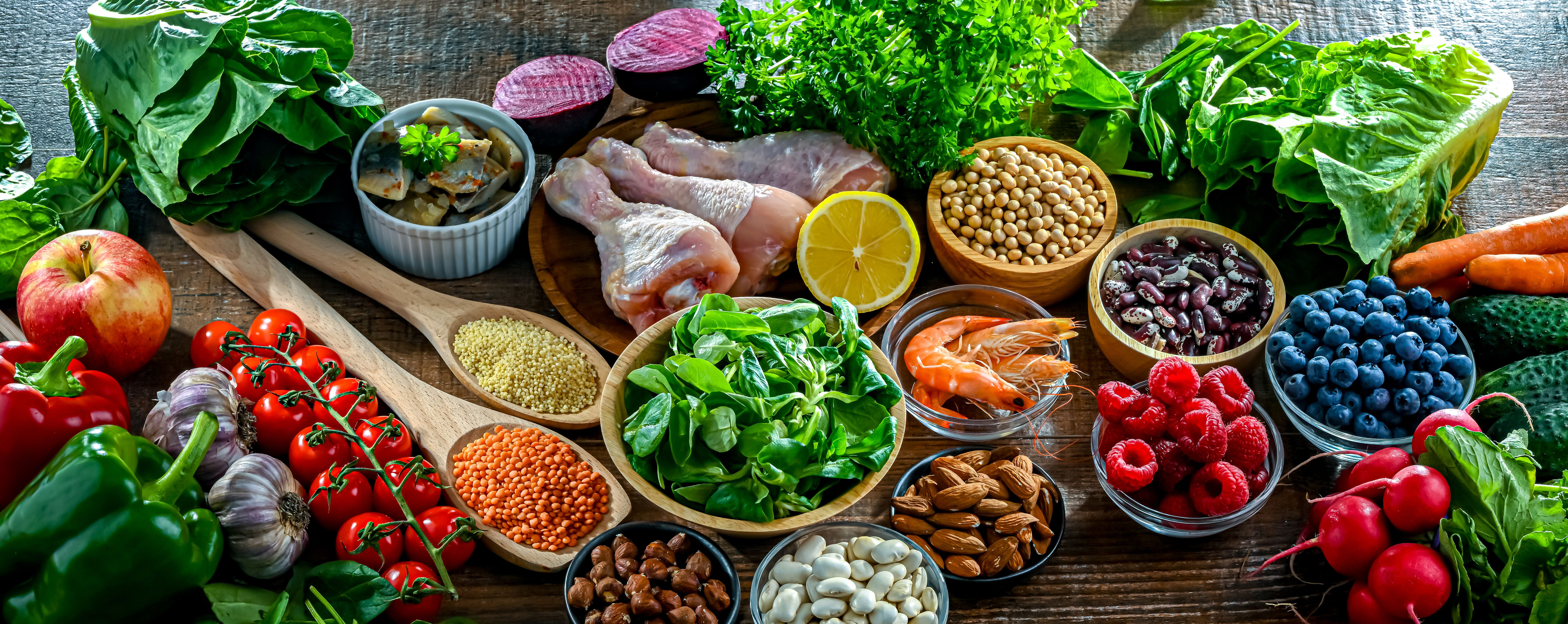
Educational programs often accompany food distribution efforts, providing communities with information on nutrition and healthy eating habits. These programs empower individuals to make informed choices about their diets, promoting long-term health benefits.
Fostering Community Connections
Food distribution not only meets physical needs but also serves as a catalyst for building stronger social ties. Community-based food programs often bring people together, fostering a sense of belonging and cooperation. Events like farmer's markets, food drives, and communal meals can strengthen these connections.
This sense of community is essential for social cohesion. When individuals work together towards common goals such as food security and sustainability, they build trust and collaboration within the community.

The Role of Technology in Food Distribution
Technological advancements have revolutionized the way food is distributed, making it more efficient and accessible. Online platforms enable consumers to connect directly with producers, reducing the need for intermediaries and lowering costs.
- Real-time tracking systems improve transparency and accountability in the supply chain.
- Mobile applications provide consumers with access to fresh, local produce at their fingertips.
- Innovative logistics solutions ensure timely delivery even in challenging environments.
Conclusion
The role of food distribution in building stronger communities cannot be overstated. By enhancing local economies, promoting health, fostering social connections, and leveraging technology, effective food distribution systems contribute significantly to community development. As we continue to refine these systems, we can look forward to more resilient and vibrant communities that thrive on the foundation of sustainable food practices.