
The Role of Education in Building Stronger Communities


Introduction
Education plays a pivotal role in the development of individuals and, by extension, the communities in which they live. By fostering knowledge, skills, and values, education empowers people to contribute positively to society. This blog post explores how education can build stronger communities and the various ways it can make a significant impact.
Enhancing Economic Growth
One of the most significant benefits of education is its contribution to economic growth. Educated individuals are more likely to secure stable employment, leading to higher income levels and increased economic stability within their communities. This economic empowerment enables families to invest in better housing, healthcare, and other essential services.
Moreover, education encourages entrepreneurship and innovation, as individuals are better equipped to identify opportunities and develop solutions to local challenges. This entrepreneurial spirit can lead to the creation of new businesses, further boosting the local economy and creating job opportunities.
Reducing Poverty
Education is a powerful tool in breaking the cycle of poverty. By providing individuals with the skills and knowledge needed to access better job opportunities, education can lift families out of poverty and improve their quality of life. This, in turn, leads to healthier, more prosperous communities.
Fostering Social Cohesion
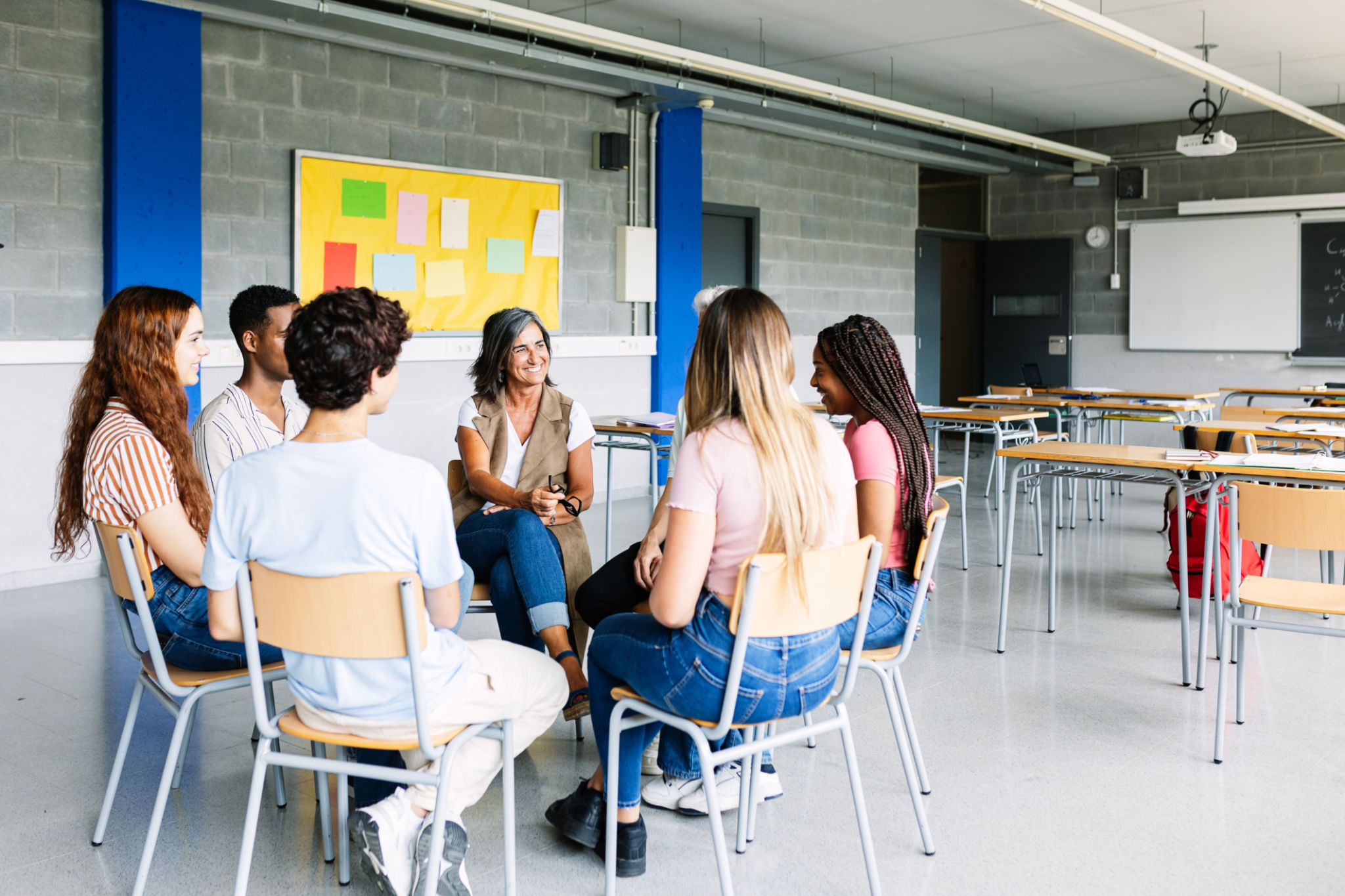
Education promotes social cohesion by encouraging understanding and tolerance among diverse groups. Schools and educational institutions serve as melting pots where individuals from different backgrounds come together, learn from one another, and develop mutual respect.
This shared educational experience helps reduce prejudices and fosters a sense of unity and belonging within the community. As individuals appreciate and embrace diversity, communities become more harmonious and inclusive.
Encouraging Civic Engagement
Educated individuals are more likely to participate in civic activities, such as voting, volunteering, and engaging in community projects. Education instills a sense of responsibility and awareness of social issues, motivating individuals to take an active role in shaping the future of their communities.

Improving Public Health
Education has a direct impact on public health by promoting healthier lifestyles and better decision-making. Educated individuals are more likely to understand the importance of nutrition, exercise, and preventive healthcare, leading to improved overall health outcomes.
Communities with higher education levels often experience lower rates of chronic diseases and better access to healthcare services. This not only improves the quality of life for individuals but also reduces the burden on local healthcare systems.
Strengthening Environmental Awareness
Environmental education is crucial in raising awareness about sustainability and conservation. By educating individuals about the impact of their actions on the environment, communities can work together to adopt more sustainable practices and protect their natural resources.
Informed communities are better equipped to address environmental challenges, such as climate change and pollution, ensuring a healthier and more sustainable future for generations to come.
